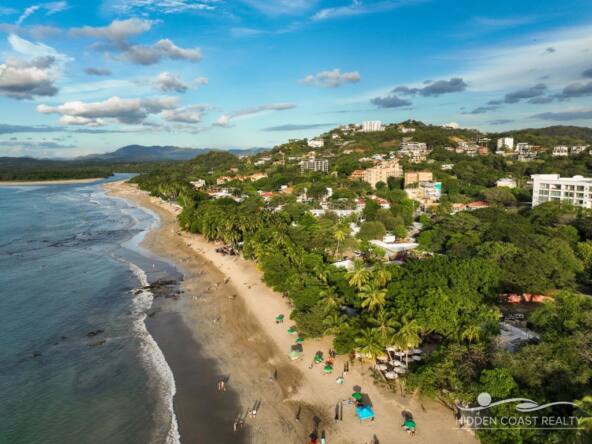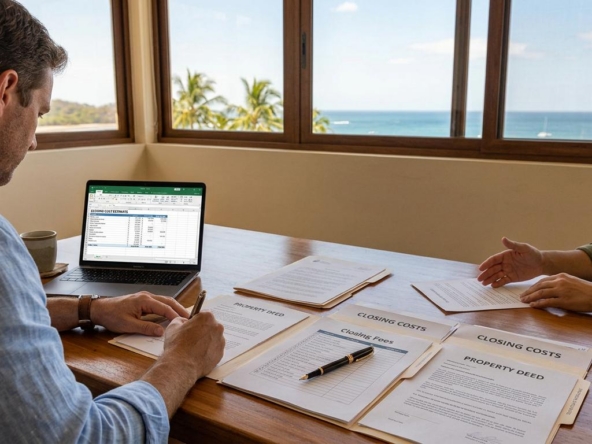

By the time closing day rolls around, you’ve probably been looking forward to it for quite a while. After the dreaming, searching, negotiating, due diligence, paperwork, and wiring money around the world, the title has transferred, the keys are finally yours, and you are now officially own property in Costa Rica. Congratulations!
But then comes the very practical question: Now what?
If you’re like many of our clients, the answer starts with making sure the right people and systems are in place. Whether you’ve purchased a full-time residence, a second home, or a vacation property, and whether you’ll be here three weeks a year, six months a year, or every day you possibly can, there will be plenty to manage once the purchase is complete.
The reality is that you won’t always be there when the pool needs attention, a utility issue comes up, or something needs repairing. For second-home and vacation-property owners, that often means handing the property over to a trusted property manager and local vendor network almost immediately after closing.
If you’re moving to Costa Rica full-time, your setup will look a little different. You may not need a property manager at all, but you’ll still want a reliable team in place for the garden, pool, cleaning, maintenance, accounting, and the other day-to-day pieces of owning a home here.
From there, the first year is really about getting everything settled properly: confirming the title transfer, updating municipal records, transferring utilities, putting insurance in place, understanding your property tax and compliance calendar, and learning what your home needs in Guanacaste’s climate.
If you’re new to owning property in Costa Rica, this guide walks you through those first-year details so you can spend less time figuring out the logistics and more time enjoying the reason you bought here in the first place.
Your First Few Weeks: The Ownership Handoff
After you finalize your purchase, the first few weeks will be about making sure we’ve crossed all our t’s and dotted all the i’s. In other words, it’s our job to ensure that the property transfer is made cleanly, and that all paperwork has been delivered where it needs to go.
This is also the time that, if you’re using a property manager, the handoff happens. Once you’ve settled on a property manager, we’ll connect them with the property’s previous team and service providers, for full access to utility information, existing contracts, maintenance contacts, rental details, and anything else that helps avoid unnecessary disruption. (If you’re not using a property manager, we’ll give you all of this information.)
About two to three weeks after closing, we’ll confirm that the transfer has been properly recorded in the Registro Nacional, Costa Rica’s National Registry. Once you’ve confirmed that’s in place, the municipality should also be updated, so that you, not the previous owner, receive all future property tax notices and other official notices.
Next, get insurance on the property right away. Guanacaste isn’t heavily exposed to major natural disasters, but risks like electrical fires or flooding from a neighbor’s burst pipe are real and can happen to anyone. Insurance shouldn’t wait. Additionally, utilities should also be transferred into your name or your holding corporation. (Your attorney or power of attorney can usually help handle that process.)
Do You Need a Property Manager in Costa Rica?
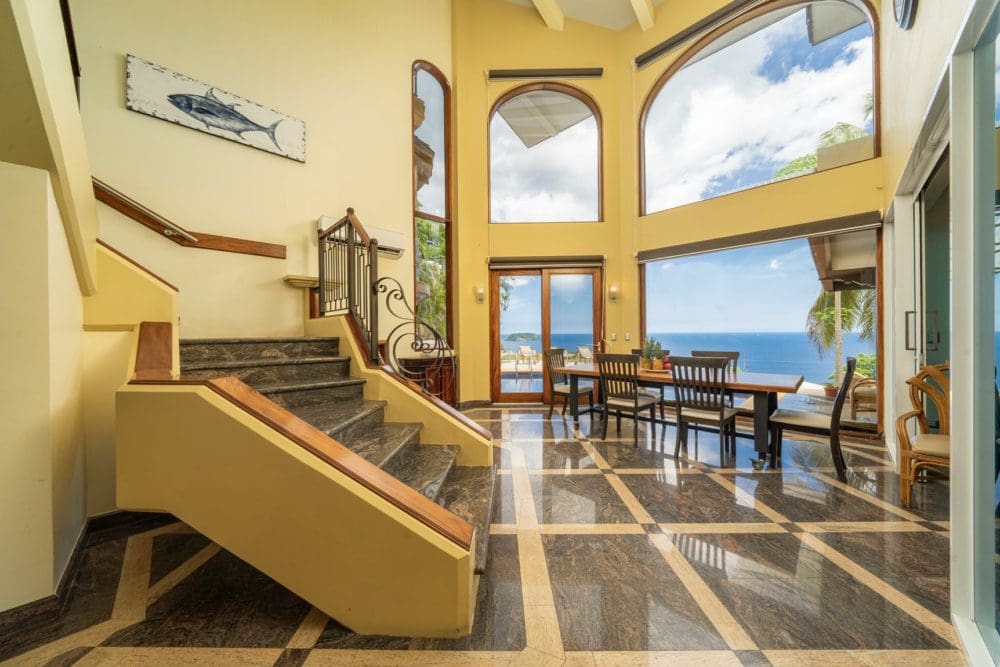
If you’re like most of our clients, the answer is probably.
Most of our clients are part-time owners, although “part-time” can mean very different things. Some are here six months a year; others may use their home for only three weeks. Either way, if this isn’t your primary residence, you’ll usually want someone on-the-ground, taking care of everything when you’re not here.
If that’s you, then a good property manager becomes your local point person when you’re not in residence. They’re the one who’s checking on the house, coordinating repairs, communicating with vendors, overseeing cleaning, keeping an eye on utilities, and dealing with all those inevitable little things that come up for every homeowner.
If you’re moving to Costa Rica full-time, though, your setup will likely be different. Most full-time residents don’t need a property manager in the traditional sense because they’re onsite to manage the home themselves. You’ll still want a reliable local team, though, which may include help with the pool, landscaping, cleaning, maintenance, repairs, accounting, and other household needs.
Who you work with matters more than many realize going in. A property manager or vendor network built over years of relationships in the area can be the difference between things getting done right and an ownership experience full of no-shows and half-finished work. (This is the part of owning property in Costa Rica that you simply can’t learn from a Google search.)
Whether you work through a property manager or manage the home yourself, your goal will be the same: build a dependable network early, before you need it, and get ahead of maintenance issues.
Costa Rica Property Taxes and Annual Compliance
Once the title transfer and municipal records are updated, the next step is making sure your annual obligations are in order.
Costa Rica property taxes are relatively straightforward. The general municipal property tax is calculated at 0.25% of the registered property value per year; you’re required to declare the value of their property to the municipality at least every five years. Higher-value residential properties may also be subject to Costa Rica’s annual Impuesto Solidario, sometimes called the luxury home tax. The threshold changes each year – your attorney or accountant will confirm current rates – but for 2026, the tax applies when the value of the residential construction and permanent improvements exceeds ₡143 million.
If you own property through a Costa Rican corporation, there will be annual corporate and other filing dates to keep in mind. In truth, there are only a handful of compliance dates throughout the year; your accountant will handle most of them on your behalf, and they’re generally neither expensive nor particularly labor-intensive. But they are easy to miss if nobody has them on a calendar.
Our advice is to get a good local accountant as soon as your purchase is complete, and have them put everything on a recurring calendar. Once the annual compliance rhythm is established, it’ll be one of the easiest parts of ownership.
Annual Preventative Maintenance
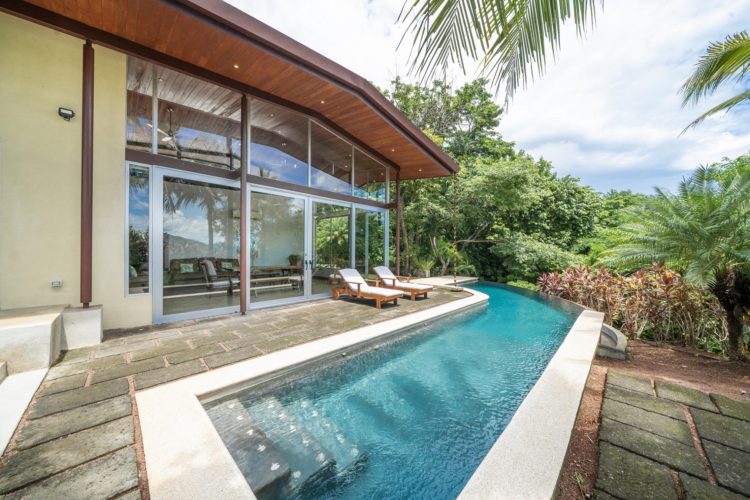
One of the biggest surprises for first-time owners is how much Guanacaste’s climate will affect a home year-round. Our region of Guanacaste, in particular, yields months of strong sun, followed by months of rain, along with wind, salt air, and humidity that can build up indoors, especially when a property sits closed.
If you’re not in residence full-time (and perhaps even if you are), you may not know that humidity has to be actively managed indoors. Automated dehumidifiers, ample air circulation, regular inspections, and simply having someone open up and check the property will go a long way toward preventing mold, odors, and moisture damage.
Outside, sun, wind, rain, and salt air mean preventative maintenance needs to be part of the routine if you want your property to remain in optimal condition. Paint, roofs, drainage, sealants, metal fixtures, exterior wood, air-conditioning systems, and landscaping all require regular upkeep in Guanacaste’s climate. Over time, we all learn, it’s easier to stay ahead of this kind of maintenance rather than wait and deal with a bigger repair later.
That’s also why we put so much emphasis on having a great local team in your court. By this, we mean professionals who understand how to respond to Guanacaste’s climate throughout the year – they’ll make a world of difference! From there, add at least one team member who knows how to fix a problem when it appears, and you’re golden.
If you’re still deciding where or even what type of property to buy, our Guanacaste Real Estate Guide is a useful starting point for understanding how location, access, microclimate, and community can affect the ownership experience.
If You’re Renting the Property, Give the First Year Time to Settle

If you plan to offer your property as a vacation rental, there’s another first-year reality that may catch you off guard: changing property managers may reset more than you expect.
A new manager may be the right long-term choice, but you need to know that they won’t necessarily inherit the previous manager’s rental history, guest trust, reviews, and platform momentum that helped the property perform under its previous management. On platforms like Airbnb, those testimonials and that established track record can play a meaningful role in driving bookings.
So, when you start over with a new manager, booking and occupancy may take some time to rebuild. We’ve seen owners interpret that slower start as a sign that something is wrong with the property or the new management when, in reality, it may simply be part of building that history and trust.
Of course, that doesn’t mean you should stick with the wrong property manager just to preserve past performance. Just give the transition a fair runway. If your first year looks a little different from the previous owner’s numbers, look at the bigger picture before drawing conclusions. A new management relationship takes time to establish, and so does the rental momentum that comes with it.
Ease of Ownership: Put the Right Systems in Place
While your first year here will come with a learning curve, most of it’s about getting organized: the right people, the right calendar, the right maintenance routine, and the right expectations. Once you have that all in place, owning property in Costa Rica becomes much more predictable.
Predictability is good. It means fewer questions hanging in the air, fewer items on your to-do list, fewer problems to solve. And that means more time to enjoy your new home, lifestyle, and investment. Bottom line: the better your setup is from the beginning, the more time you get to spend enjoying it.
Owning Property in Costa Rica: It Starts With the Right Guidance
At Hidden Coast Realty, we’ve helped international buyers navigate Guanacaste real estate for more than 25 years. If you’re starting the process, stay close to the market with local insight, new listings, and practical guidance from our team here on the coast.
Click here to sign-up to the Hidden Coast Realty Newsletter to receive the latest listings and news from Guanacaste delivered straight to your inbox. Or reach out to our team and we’ll advise you on how to ready for your first year of ownership in Guanacaste.
FAQ: Owning Property in Costa Rica
Do I need a property manager in Costa Rica?
Not necessarily. If you live in Costa Rica full-time, you may manage the home yourself and simply work with trusted local vendors for the pool, landscaping, cleaning, repairs, and maintenance. If it’s a second home or vacation property, a property manager is usually a very good idea.
How much are Costa Rica property taxes?
The standard municipal property tax is generally 0.25% of the registered property value per year. Some higher-value homes may also be subject to the annual Impuesto Solidario. Your accountant or attorney can confirm which taxes apply to your property.
When should utilities be transferred after closing?
Once the new ownership has been properly registered in the Registro Nacional, utilities can generally be transferred into your personal name or the name of the corporation that owns the property.
Do I need property insurance in Costa Rica?
We strongly recommend it. Even without a major natural disaster, risks such as electrical fires, water damage, and flooding can happen anywhere. Insurance is one of the first things we suggest putting in place after closing.
What maintenance should I expect during my first year?
Guanacaste’s sun, rain, wind, salt air, and humidity mean preventative maintenance is important. Expect to stay on top of humidity control, air-conditioning, drainage, paint, roofs, sealants, landscaping, and exterior materials throughout the year.